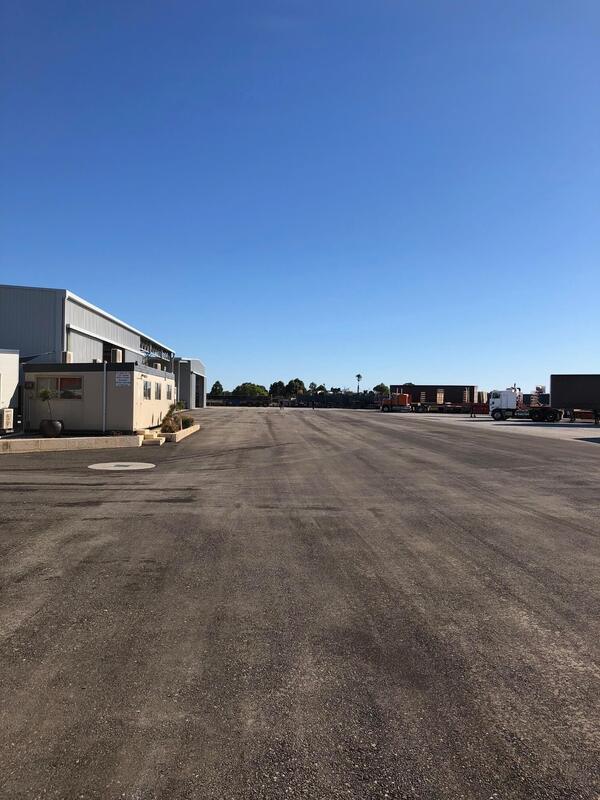
Routine grading can make a substantial difference to an unsealed or deteriorating road. It can remove corrugations, reshape wheel paths, redistribute suitable material and restore a profile that allows water to move away from the travelled surface. However, grading has limits. Once deterioration extends into the supporting pavement, repeatedly reshaping the top layer may no longer address the real problem.
A road containing deep ruts, widespread potholes, soft sections, significant erosion or recurring depressions may require more than another grading pass. In these circumstances, the underlying pavement needs to be assessed to determine why the surface is repeatedly failing.
For property owners and businesses in Goulburn, NSW, recognising the difference between a road that needs routine grading and one requiring more substantial preparation can prevent deeper defects from being overlooked. Goulburn Road Tek provides professional grading, asphalt and bitumen surfacing based on the actual condition and intended use of the road.
What Can Routine Road Grading Correct?
Grading is primarily a method of reshaping the road surface.
Where suitable pavement material remains in place and the underlying structure is reasonably stable, professional grading can restore a more consistent road profile.
It may be effective for:
- Shallow wheel ruts
- Corrugations
- Minor surface irregularities
- Small depressions
- Loose material displaced by traffic
- Early pothole development
- Poorly distributed surface material
- A road profile that has gradually flattened
The objective is not simply to make the road look smoother. Correct grading should improve vehicle access while restoring levels that help rainfall leave the travelled surface.
When Does Road Damage Become Too Severe for Grading Alone?
The condition becomes more complicated when deterioration is no longer confined to the upper road surface.
A grader can reshape existing material, but it cannot restore structural strength to a pavement where the underlying layers have become severely unstable.
Signs that additional work may be required include deep rutting, large potholes, significant settlement and sections that remain soft or unstable.
Rapidly Returning Damage Is an Important Warning Sign
One of the clearest indicators is how quickly problems return after previous grading.
If the road initially looks good but deep ruts, potholes or depressions soon reappear in exactly the same locations, the issue may exist below the graded surface.
Possible contributing factors include:
- Weak road base
- Insufficient pavement depth
- Poor compaction
- Water penetration
- Drainage problems
- Localised settlement
- Traffic loading beyond what the existing pavement can support
Further grading may temporarily reshape these areas without correcting their underlying weakness.
Deep Wheel Ruts Can Indicate Pavement Movement
Wheel ruts develop along regular traffic paths and can vary considerably in severity.
Shallow ruts may often be corrected through grading where the pavement remains stable. Deep ruts require closer investigation.
If vehicles have displaced or deformed material through a significant depth, simply pulling loose material back into the wheel paths may not provide adequate support.
Why Do Deep Ruts Keep Returning?
A rut can return when the material underneath continues to move under traffic.
The road may look level immediately after grading, but if the reconstructed wheel path has not been adequately supported and compacted, vehicles can push it down again.
Deep rutting can also create drainage problems. Water begins collecting in the wheel paths, potentially softening the pavement and accelerating further deformation.
This can create a cycle of rutting, water retention and continuing road deterioration.
Large or Recurring Potholes Need More Than Surface Attention
Potholes form when pavement material breaks away, leaving a depression that can become progressively larger under traffic.
Routine grading may address small, shallow potholes where the surrounding material remains stable.
Large or repeatedly returning potholes are different.
If the bottom of a pothole contains loose, wet or unstable material, filling it with surrounding road material during grading may leave the weakened foundation untouched.
The affected area may need to be opened, unstable material removed and suitable pavement material rebuilt and compacted before the road profile is restored.
Soft Sections Can Reveal Problems Below the Surface
A road can sometimes appear reasonably intact while containing sections that feel noticeably softer under vehicle loads.
Movement, pumping or deep deformation can indicate that the supporting pavement has lost stability.
Soft areas can develop where water has entered the road structure or where the underlying material is unable to provide sufficient support.
Grading Cannot Strengthen an Unstable Foundation
A grader can change the shape of the road, but it cannot make unsuitable material structurally sound simply by smoothing it.
Where deeper instability exists, the affected section may require additional pavement preparation.
Once stable support has been restored, grading can then be used to establish the correct road profile.
Severe Corrugations May Require Further Investigation
Corrugations are repeated ridges and depressions that can develop across an unsealed road.
Moderate corrugations can often be addressed through appropriate grading. However, severe or rapidly returning corrugations may indicate that the existing material, moisture conditions, compaction or traffic demands need closer consideration.
Simply shaving the tops off corrugations is unlikely to provide the same result as properly reworking the affected surface.
Professional grading should reshape the road rather than merely disguise the irregularities.
Water Damage Can Limit What Grading Can Achieve
Water is one of the most important factors when assessing a deteriorated road.
If rainfall is repeatedly travelling along wheel paths, collecting in depressions or crossing the pavement in an uncontrolled way, grading the damaged surface without considering drainage may provide only temporary improvement.
Signs of water-related deterioration can include:
- Washed-out sections
- Erosion channels
- Soft pavement after rainfall
- Potholes concentrated in low areas
- Material accumulating along road edges
- Water travelling down wheel tracks
- Sections of road losing their original profile
The source and direction of water need to be considered as part of the road assessment.
Washouts Require More Than Simply Moving Material Back
A washout occurs when flowing water removes pavement material and alters the road profile.
Minor erosion may sometimes be corrected as part of grading, but a substantial washout can require more preparation.
Material may have been removed through a significant depth, leaving insufficient support for regular traffic.
Simply dragging loose material back across the damaged section may not restore the original pavement structure.
The affected area may need to be rebuilt before grading establishes the final profile.
Road Base Condition Determines What Happens Next
The road base is fundamental to pavement performance.
When the base remains stable, grading can be highly effective because the work is primarily correcting the upper profile.
When the base has deteriorated, the road may require additional material, deeper preparation or reconstruction of failed sections.
This is why the severity of visible surface damage is only part of the assessment.
A professional contractor should consider whether the material underneath can continue supporting the traffic using the road.
Has the Road Lost Too Much Material?
Regular traffic, erosion and repeated grading can gradually change the quantity and distribution of pavement material.
A road may reach a point where there is insufficient suitable material remaining to recreate an effective profile simply by redistributing what is already there.
In these circumstances, additional suitable pavement material may be required before grading and compaction.
The objective should be to restore an appropriate pavement structure rather than continually moving an inadequate amount of material between high and low areas.
Traffic Demands Can Influence Repeated Road Failure
A road that was adequate for its original use may begin deteriorating more quickly if traffic conditions change.
More frequent vehicle movements or heavier loads can place greater demands on the pavement.
Particular attention should be given to:
- Regular wheel paths
- Turning areas
- Entrances
- Sections where vehicles brake
- Locations carrying repeated heavier loads
If these areas repeatedly fail after grading, the pavement may need additional support rather than continued surface reshaping.
When Does More Substantial Road Preparation Make Sense?
Additional preparation may be appropriate when the road contains defects that cannot be corrected reliably through grading alone.
This does not necessarily mean the entire road needs reconstruction.
One section may contain unstable base material while the remainder only requires routine grading. A targeted approach allows serviceable pavement to remain while failed areas receive more substantial attention.
Depending on the condition, work may involve removing unsuitable material, rebuilding localised sections, introducing suitable pavement material, correcting drainage-related problems, compacting repaired areas and then grading the complete surface to the required profile.
Could Asphalt or Bitumen Surfacing Be Considered?
Where a road requires more consistent all-weather access, asphalt or bitumen surfacing may be considered after the supporting pavement has been properly prepared.
Surfacing should not be used simply to hide an unstable road.
Before asphalt or bitumen is installed, the pavement needs suitable levels, adequate compaction, stable supporting material and appropriate drainage.
Existing soft areas, deep ruts and structural failures should be addressed first.
A well-prepared foundation is essential because movement underneath can eventually affect the finished surface above.
Why Is Grading Still Important Before Surfacing?
Even when a road is being prepared for asphalt or bitumen, grading remains an important part of the process.
The pavement needs to be shaped to establish:
- Suitable road levels
- Consistent vehicle access
- Appropriate drainage falls
- A stable profile
- Smooth transitions
- Correct preparation for compaction
The difference is that grading becomes part of a broader pavement preparation process rather than the only treatment being carried out.
How Can You Tell Whether Grading Is Still Enough?
The answer depends on how deeply the road has deteriorated.
A road may remain suitable for routine grading when the main problems involve surface shape and the underlying pavement continues to provide stable support.
More substantial work should be considered when deterioration involves significant structural weakness.
A useful assessment looks at:
- How deep the defects are
- Whether repaired areas remain stable
- How quickly damage returns
- Whether the road moves under traffic
- How rainfall behaves across the surface
- Whether suitable pavement material remains
- Whether the existing road supports current traffic demands
These factors provide a much clearer picture than roughness alone.
Professional Assessment Can Prevent Repeated Short-Term Repairs
A severely damaged road can sometimes be graded repeatedly because the visible surface improves each time. If the same failures continue returning, however, the underlying cause remains unresolved.
At Goulburn Road Tek, we assess roads in Goulburn, NSW, with attention to grading, pavement stability, drainage, potholes, rutting and the condition of the supporting material.
The purpose is to determine whether routine grading remains appropriate or whether failed sections need additional preparation before the road is reshaped.
Conclusion
Routine grading can be highly effective for corrugations, shallow ruts, minor potholes and general surface irregularities where the supporting road structure remains stable. However, grading has limits.
Deep rutting, large recurring potholes, soft sections, severe washouts, significant settlement and rapidly returning defects can indicate that deterioration extends below the surface. In these circumstances, the affected pavement may need to be rebuilt, strengthened or otherwise prepared before grading can produce a stable road profile.
For property owners and businesses in Goulburn, NSW, Goulburn Road Tek provides professional grading, asphalt and bitumen surfacing based on the actual condition of the road. If your road is becoming increasingly difficult to restore through routine grading, contact our team to arrange an assessment and determine the appropriate approach for the existing pavement.
Call us on: 02 5135 3012
Click here to find out more about Goulburn Road Tek
Click here to complete our contact form and see how we can help with your Asphalt and Bitumen Surfacing needs.